Behind on Your Mortgage? Acting Now Can Make The Difference
Sometimes life changes quickly. Job loss, medical bills, divorce, unexpected expenses, or other hardships can put pressure on a household budget before you even realize how serious things have become. If you are starting to fall behind on your mortgage, I want to encourage you to reach out early.
One of the biggest mistakes homeowners make is waiting too long because they feel overwhelmed, embarrassed, or hope the problem will fix itself. The earlier you ask questions and explore options, the more choices you may have available.
That is one reason I became SFR Certified.
SFR stands for Short Sales and Foreclosure Resource certification. It is specialized training that helps real estate professionals understand foreclosure prevention options, short sales, lender processes, and how to guide homeowners through difficult situations with care and professionalism.
Please Call Before You Get Too Far Behind
You do not have to wait until you receive notices in the mail or feel like everything is out of control. If you are struggling now, even just a little, this is the time to talk.
Depending on your situation, options may include:
- Selling before the situation worsens
- Exploring repayment or lender workout options
- Understanding whether a short sale may be possible
- Protecting equity you may still have in the home
- Creating a plan for your next move
The sooner you act, the more room there often is to make smart decisions instead of rushed ones.
The Long-Term Impact of Foreclosure
Foreclosure does not just affect today. It can create challenges that follow you for years. Many homeowners do not realize how far-reaching the effects can be.
A foreclosure may impact:
- Your credit score and future borrowing ability
- How soon you can qualify for another mortgage
- Interest rates on future loans
- Renting another home, since many landlords check credit
- Stress on family finances and future planning
- Loss of equity you may have built over time
While every situation is different, avoiding foreclosure when possible can protect more than just your current home. It can protect future opportunities.
There Is No Shame in Asking Questions
Hard seasons happen to good people. Reaching out for information is a smart move, not something to avoid. My goal is to provide honest guidance, explain options clearly, and help you make the best decision for your future.
Let’s Talk Before It Gets Worse
If you are behind, worried you may fall behind, or simply want to understand your options, I would love the chance to help.
The sooner we talk, the more possibilities may be on the table.
Jennifer Hannah
Better Homes and Gardens Real Estate | Town & Lake
931-261-8150
Call or text anytime to start the conversation.
SCHEDULE ONLINE: https://jenniferhannah.com/post-78
-
Educate You on Financing Options: I’ll be equipped to explain the full range of mortgage programs and help you understand which options align with your goals and financial situation.
-
Simplify the Buying Process: Financing is often the most intimidating part of buying a home. With this knowledge, I can break down the steps, help you avoid costly mistakes, and connect you with trusted lenders.
-
Advocate for Your Best Interests: With deeper insights into financing, I can better negotiate on your behalf and ensure that every aspect of your transaction supports your long-term financial health.
-
Offer Tailored Solutions: From first-time homebuyers to seasoned investors, I’ll be able to offer personalized advice that reflects your unique circumstances.
-
Personal Property Auctions: From antiques to everyday household items, our crew can handle sorting, organizing, and prepping everything for auction day.
-
Estate Auctions: These can feel overwhelming, especially when you’re dealing with the loss of a loved one. We’re here to take the pressure off, with a full team that can step in and handle the logistics.
-
Real Estate Auctions: Whether it’s a home, land, or commercial property, we offer on-site and online bidding for every real estate auction to maximize exposure.
-
Multi-Parcel Auctions: Need to divide land or property into separate tracts? We have the experience and tools to run competitive multi-parcel bidding that helps bring in top dollar.
-
Benefit Auctions: We also love giving back. If you’re planning a charity or fundraising auction, we’re happy to help with that too.
-
Set a specific timeline for selling their property.
-
Create urgency and competition among buyers.
-
Achieve fair market value in an open, transparent way.

-
Down Payment Assistance (DPA): THDA offers DPA grants to assist with down payments and closing costs. The assistance is often in the form of a forgivable second mortgage, which means the loan is forgiven after a certain number of years (usually 5 to 30), provided the homeowner stays in the home.
-
Great Choice Plus Program: This program provides 100% financing (covering the full loan amount and down payment) for eligible buyers. It comes with a low, fixed-rate mortgage and an optional second mortgage for down payment assistance.
Buying a New Home While Selling Your Current One: How to Get the Timing Right
When it comes to buying a new home while selling your current one, timing truly is everything. Trying to manage both transactions at the same time can feel overwhelming, but with the right strategy and guidance, it can be a smooth and successful process.
Below, I’m breaking down proven strategies that help homeowners buy and sell simultaneously while minimizing stress and financial risk.
Why Timing Matters
In a perfect world, you would sell your home, buy your next one, and move on the same day. In reality, the real estate market does not always line up that neatly.
Many sellers worry about:
-
Carrying two mortgages
-
Feeling rushed into the wrong home
-
Ending up without a place to live temporarily
The good news is that with proper planning, you can avoid all of these scenarios.
1. List Your Home First
In most situations, listing your current home before purchasing your next one is the strongest strategy.
Why this works:
-
You can gauge buyer demand and pricing early
-
You know how much equity you will have to work with
-
You gain leverage once an offer is in hand
Helpful options to consider:
• Request a Longer Closing Period
• Negotiating a 60 to 90 day closing gives you more time to secure your next home and reduces pressure to make quick decisions.
• Use a Lease-Back Agreement
A post-closing occupancy agreement allows you to remain in your home for a set period after closing, typically 30 to 60 days, while paying rent to the buyer. This can eliminate the need for temporary housing or multiple moves.
2. Use Contingencies to Protect Yourself
Contingency clauses can be powerful tools when buying and selling at the same time.
Home Sale Contingency
You can make the sale of your home contingent on finding a replacement property. This protects you from being forced into a purchase you are not comfortable with.
Purchase Contingency
When buying, you can submit an offer that is contingent on selling your current home. While this can be less appealing to sellers in some markets, it is still a viable option in the right situation.
Pro Tip:
If you are concerned about contingent offers being rejected, a bridge loan may be an option. This short-term financing can help cover the gap between purchasing your new home and selling your current one.
3. Understand Current Market Conditions
Market conditions play a major role in timing strategies.
-
In a fast-moving market, sellers may be more open to flexible closing dates and contingencies.
-
In a slower market, it is often safer to sell first, then buy.
If needed, selling first and securing temporary housing can relieve financial pressure and allow you to make a thoughtful, confident purchase.
4. How I Help Make This Process Easier
Buying and selling at the same time requires careful coordination. This is where having the right guidance matters.
Here’s how I help my clients navigate the process:
-
Strategic Negotiation to secure favorable closing dates and terms
-
Market Analysis to determine the best timing and pricing strategy
-
Personalized Planning tailored to your goals, timeline, and comfort level
No two situations are the same, and your plan should reflect that.
The Bottom Line
Buying and selling a home at the same time does not have to be stressful. With smart planning, the right contingencies, and experienced guidance, you can move forward with confidence and clarity.
If you are considering making a move and want to understand your options, I would love to help.
Ready to Get Started?
Let’s talk through your timeline and create a plan that works for you.
Call or text anytime:
931-261-8150
Can I Finance an Older Single-Wide Mobile Home?
Yes, financing is possible, but age and size restrictions apply. Most lenders require the home to meet the following guidelines:
• Built on or after June 15, 1976, to meet HUD standards
• At least 400 square feet in size
Some conventional lenders choose not to finance single-wide homes due to higher depreciation risk compared to double-wide or site-built homes.
What Loan Options Are Available for Single-Wide Homes?
Several loan options may be available depending on the home, land ownership, and borrower qualifications.
FHA Loans
-
3.5% down payment
-
Home must be permanently affixed and classified as real property
VA Loans
-
0% down for eligible veterans
-
Home must be permanently affixed and meet VA requirements
USDA Loans
-
0% down
-
Typically limited to newer homes in eligible rural areas
Conventional Loans
-
3% or more down
-
Rare for single-wide homes, but some lenders may approve if specific criteria are met
Do Single-Wide Homes Have to Be on a Permanent Foundation?
This depends on the loan type.
• FHA Title I loans do not require a permanent foundation
• FHA Title II, VA, USDA, and conventional loans require the home to be permanently affixed
A permanent foundation does not necessarily mean a full perimeter foundation. Proper tie-downs and anchoring that meet HUD guidelines may be sufficient.
Can I Finance a Single-Wide Home Without Owning the Land?
Yes, in limited cases.
• FHA Title I loans allow financing for homes on leased land
• The land lease must be for a minimum of three years
Most other loan programs require the borrower to own the land.
Are There Down Payment Assistance Options for Single-Wide Homes?
Yes, assistance may be available.
• THDA’s Great Choice Home Loan Program offers down payment assistance for eligible buyers financing manufactured homes
• VA and USDA loans also offer zero-down options for qualified borrowers
Availability depends on income limits, credit, and property eligibility.
What If My Single-Wide Home Was Built Before 1976?
Most traditional mortgage programs will not finance homes built before June 15, 1976, due to HUD safety regulations. Alternative options may include:
• Personal loans
• Chattel loans, which finance the home only
• Seller financing
These options often come with higher interest rates, so it is important to review terms carefully.
Where Can I Find a Lender for Single-Wide Home Financing?
Some lenders specialize in manufactured housing, including:
• FHA-approved lenders for Title I and Title II loans
• VA and USDA-approved lenders
• Manufactured home lenders such as 21st Mortgage Corporation and Vanderbilt Mortgage
• Local banks and credit unions
Always confirm lender requirements related to home age, size, foundation, and land ownership.
📞 Contact Jennifer Hannah at 931-261-8150 to schedule a buyer consultation and discuss your financing options.
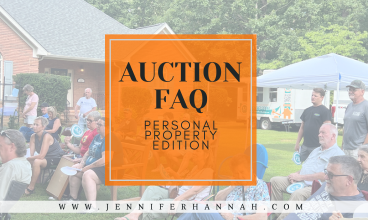 Personal Property Auctions: Your Questions Answered
Personal property auctions are a great way to buy or sell everything from furniture and antiques to tools, collectibles, vehicles, and more. If you have never participated in one, below are the most common questions I receive about how personal property auctions work.
What Is a Personal Property Auction?
A personal property auction is a public sale where items are offered to the highest bidder. Auctions may be conducted live, online, or as a simulcast event where live and online bidding take place at the same time. This format creates competition and urgency, often helping sellers achieve strong results in a short timeframe.
Do I Need to Register?
Yes. All bidders must register prior to the auction. Registration confirms your identity and ensures you understand the auction terms and conditions before participating.
How Do I Bid?
At a live auction, bidders place bids by raising their bidder number. For online or simulcast auctions, bids are submitted through the auction platform using a registered account.
What Happens If I Win?
Winning bidders are required to pay for their purchases according to the auction terms. Accepted payment methods typically include cash, credit card, or debit card. Once payment is complete, items may be picked up during the scheduled pickup time for that auction.
Do I Have to Pay Cash?
No. All of our onsite and online auctions allow credit card payments.
Why Do Sellers Choose Auctions?
Sellers often choose auctions because they provide an efficient and effective way to sell personal property. Benefits include a quick sale timeline, exposure to a large pool of buyers, and pricing driven by true market demand.
Are There Fees?
Buyers typically pay a buyer’s premium, which is a percentage added to the final bid amount. Seller fees are minimal and are based on the size and scope of the auction. All fees and terms are clearly outlined prior to auction day.
Thinking About Buying or Selling at Auction?
Personal property auctions offer a straightforward and effective way to buy or sell items of all types. Whether you are settling an estate, downsizing, or searching for unique pieces, auctions provide a practical solution.
For more information about upcoming personal property auctions or to discuss selling through auction, contact me at 931-261-8150 or visit www.jenniferhannah.com.


© 2026 MoxiWorks
© Better Homes and Gardens Real Estate 2023 – 2026. All rights reserved. Better Homes and Gardens®, BHGRE® and the Better Homes and Gardens Real Estate Logo are registered service marks owned by Meredith Operations Corporation and licensed to Better Homes and Gardens Real Estate LLC. Franchisee Legal Entity Name (not the dba) fully supports the principles of the Fair Housing Act and the Equal Opportunity Act. Each franchise is independently owned and operated. Any services or products provided by independently owned and operated franchisees are not provided by, affiliated with, or related to Better Homes and Gardens Real Estate LLC nor any of its affiliated companies.
